The five tracks

Technical deep dives

Five recurring subject areas anchor the monthly schedule. Each is revisited at least once a year, since sensors, imagery pipelines and subsidy documentation rarely stay still for long.

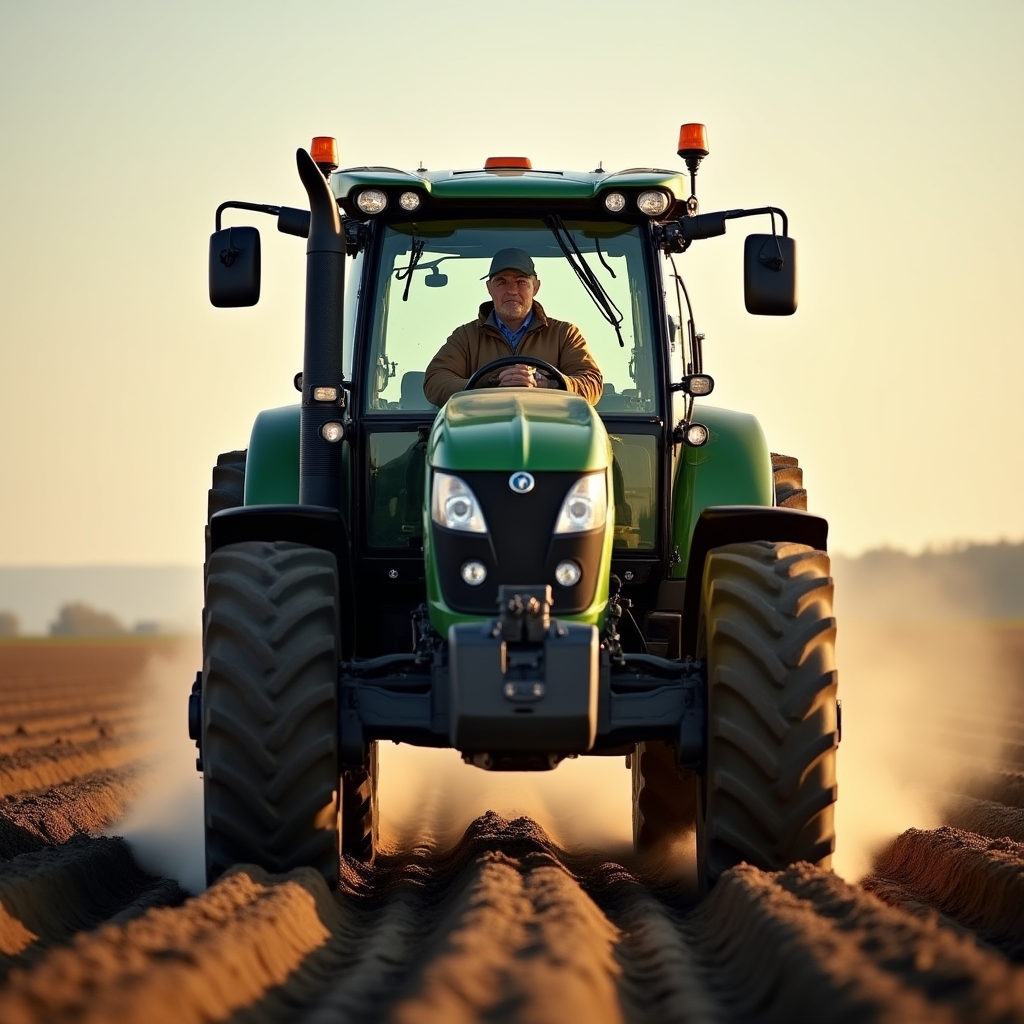
Tractor fitted with GPS guidance equipment moving through a small cultivated field
Deep Dive 01

Precision farming instrumentation for sub-fifty-hectare operations

This track covers GPS guidance retrofits, the basics of variable-rate application, and where the line sits between what is genuinely useful at small scale and what was designed with a much larger operation in mind. We look at retrofit kits for existing tractors rather than assuming a full new fleet, and we talk openly about the maintenance and calibration time that automation still requires.

  • GPS guidance retrofit options for existing machinery
  • Variable-rate application basics and where they pay off at small scale
  • Realistic maintenance and calibration expectations
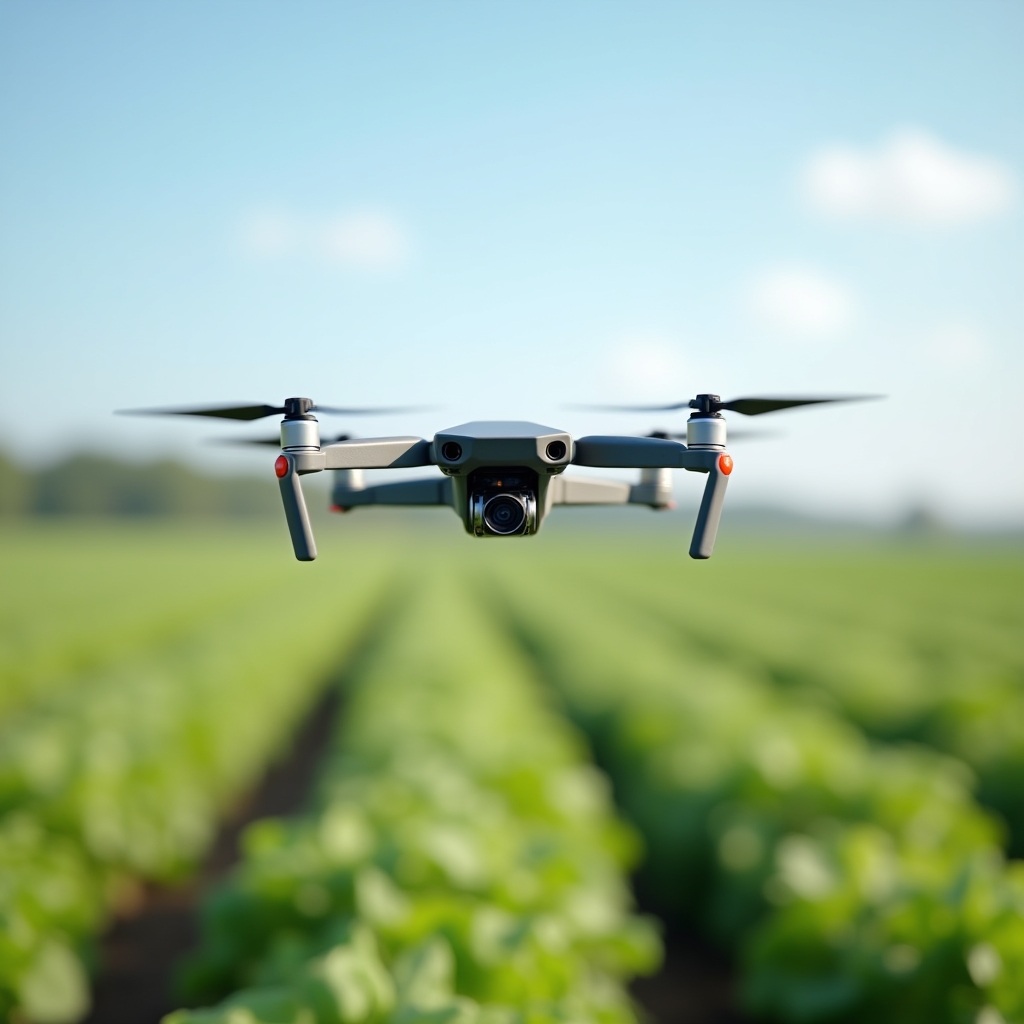
Drone flying above green agricultural rows collecting multispectral imagery data of crop canopy
Deep Dive 02

Multispectral and thermal drone imaging fundamentals

We explain what NDVI-style indices actually measure, how thermal imagery flags water stress before leaves visibly wilt, and what a basic flight planning workflow looks like for a field under fifty hectares. Processing is discussed using open tools such as QGIS rather than proprietary platforms, keeping the entry cost of learning the pipeline low.

  • Reading NDVI and thermal bands without a remote sensing background
  • Flight planning basics for small, irregularly shaped plots
  • Processing imagery with open-source tools such as QGIS
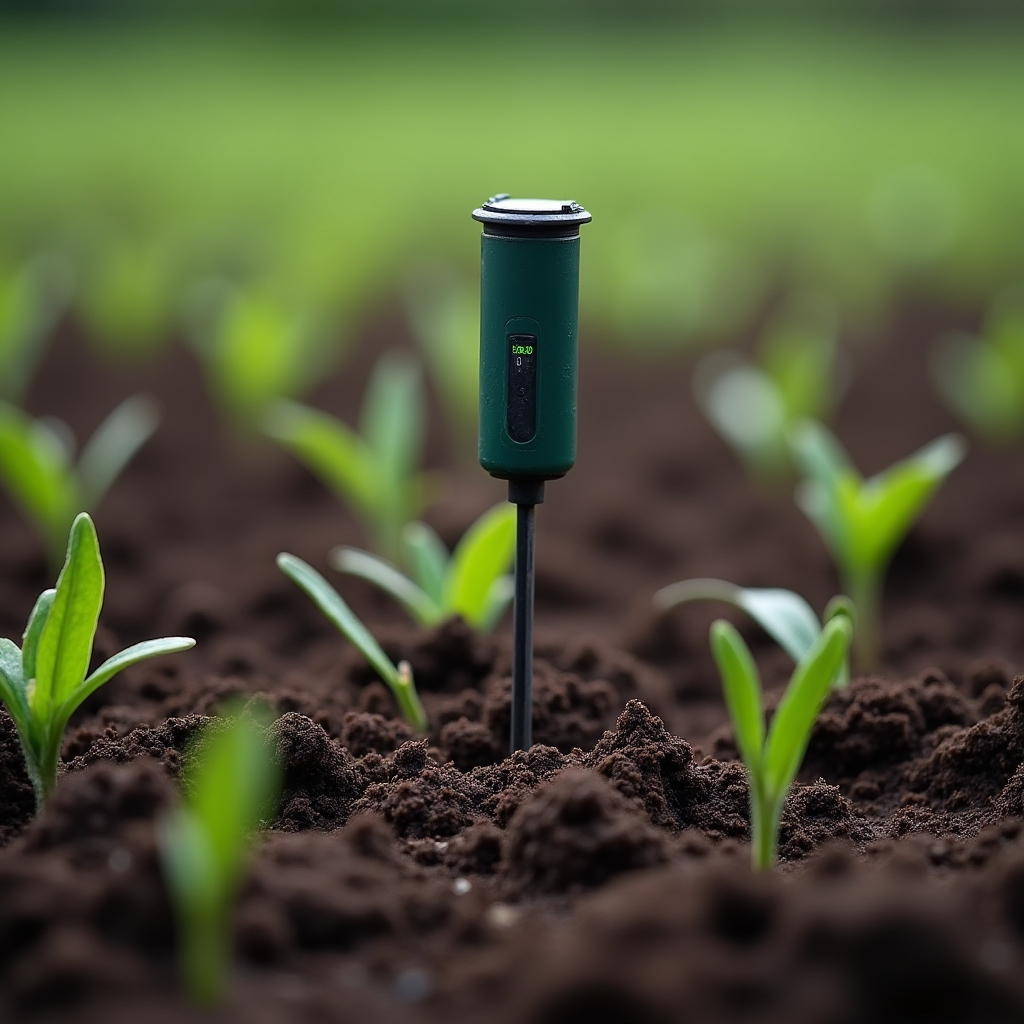
Soil moisture sensor probes installed in a row of cultivated soil with data cable visible
Deep Dive 03

Soil moisture sensor networks and irrigation scheduling

This track compares capacitance and tensiometer sensor types, discusses reasonable sensor density for small plots, and walks through how a week of readings turns into an actual irrigation timing decision. We also look at how water consumption over a season shifts once scheduling stops relying on a fixed calendar and starts responding to measured conditions.

  • Capacitance versus tensiometer sensors, a practical comparison
  • Reasonable sensor density for plots under fifty hectares
  • Translating readings into irrigation timing decisions
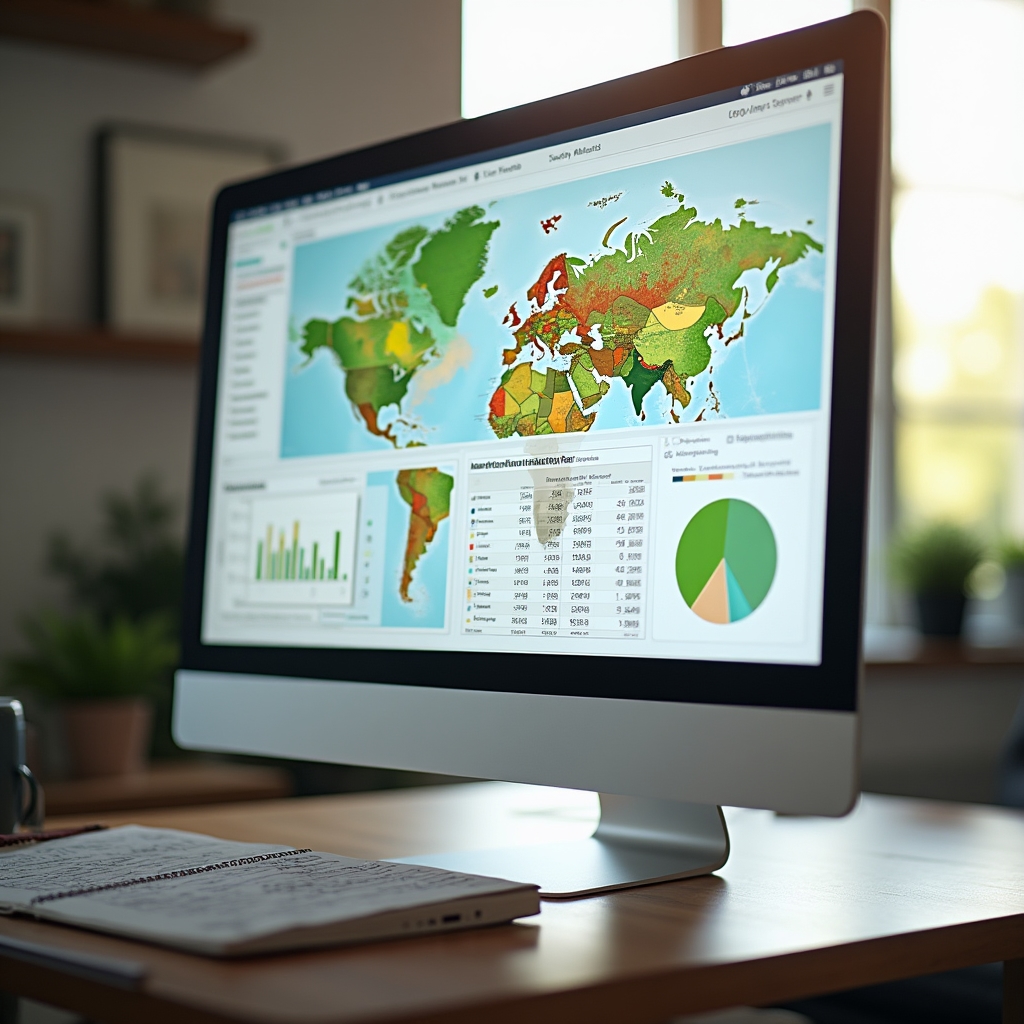
Farm management software dashboard shown on a desktop monitor with parcel maps and crop records
Deep Dive 04

Evaluating open-source farm management platforms

We work through a checklist for judging a project on its licence type, its commit and issue activity, the size and responsiveness of its community, and how easily field data can be exported again later. Projects such as farmOS come up as documented examples of the category, discussed as they are publicly described rather than recommended for adoption.

  • Licence type and what it means for long-term use
  • Reading commit history and community activity as health signals
  • Data export options and avoiding lock-in
Close-up of printed EU subsidy programme documents with highlighted sections on a desk
Deep Dive 05

Reading SZIF operational programme documentation

This track walks through how publicly documented SZIF measures related to technology investment are structured, where eligibility criteria and deadlines are published, and how to read a call text section by section without a legal background. We reference the documents as they are published by the agency, without predicting approval outcomes.

  • Where publicly documented SZIF calls are announced and archived
  • Structure of a typical eligibility section
  • Common terminology explained in plain language

Session archive

A running record of recent sessions

Every recording is kept and indexed. Below is a short sample of recent topics, alongside two images from behind-the-scenes preparation and review.

AprilReading a call text end to end, a walkthrough of one published SZIF measure
MarchCapacitance versus resistance moisture sensors, a field documentation comparison
FebruaryFarmOS and other community-maintained platforms, a first look at data structure
JanuaryWhat multispectral bands actually measure, and what they do not
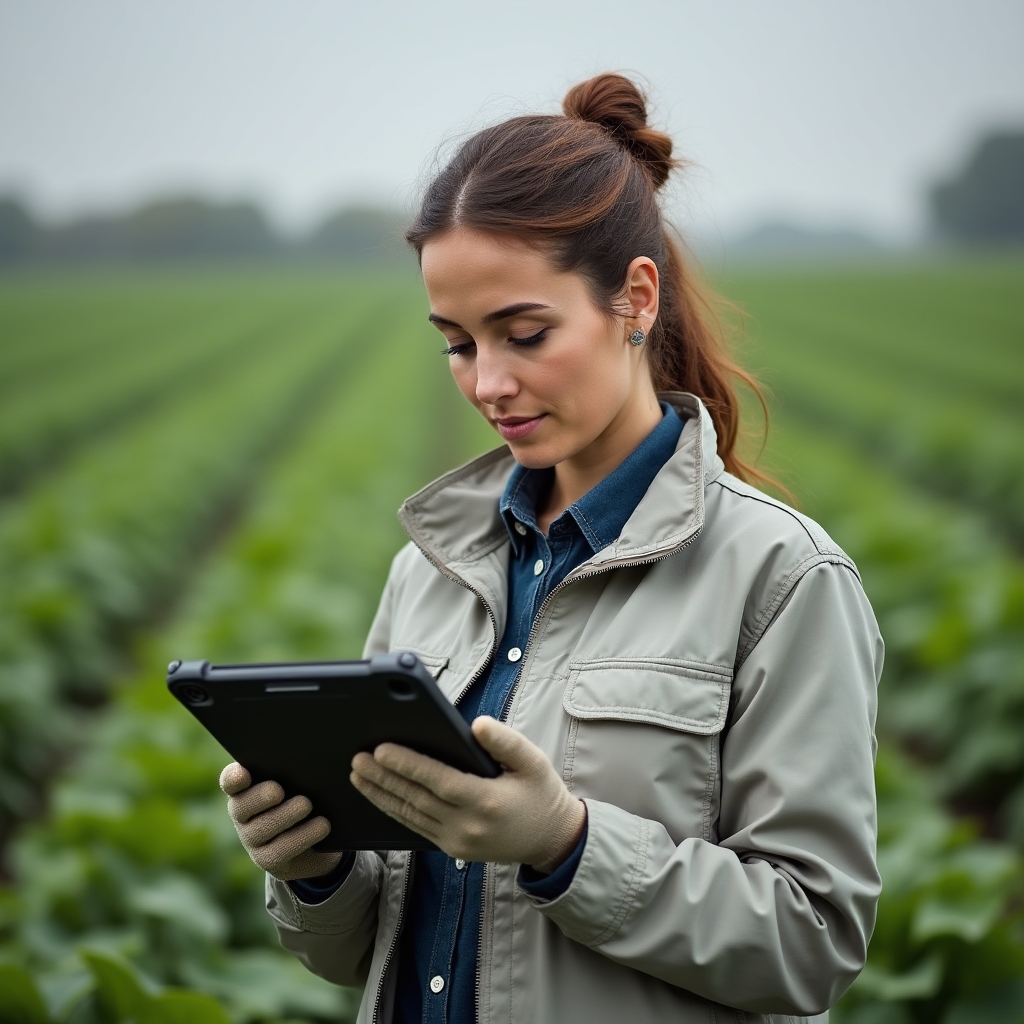
Small group of people reviewing agricultural technology documents together around a table Farmer standing in a field reviewing sensor data on a tablet device

Something not covered here yet?

These five tracks are not fixed forever. New subjects get added when enough people ask about them.