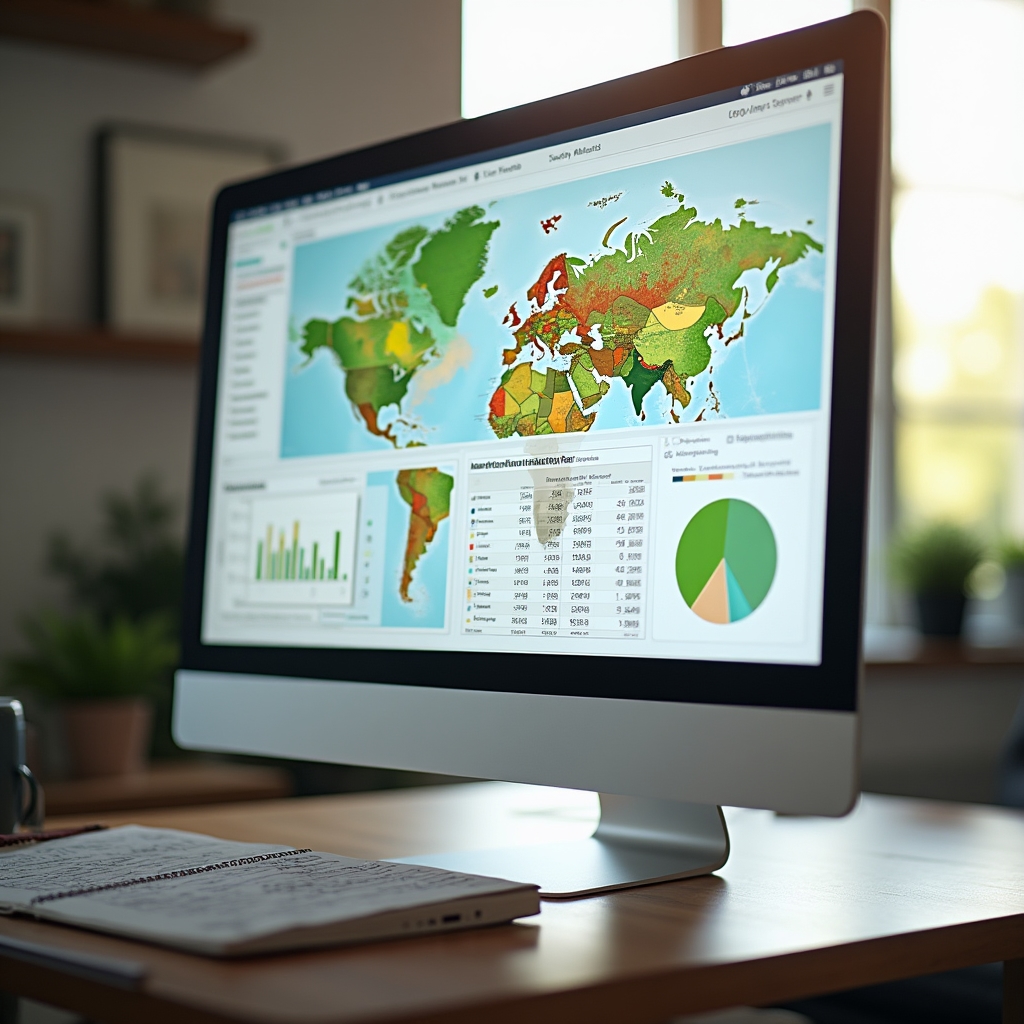
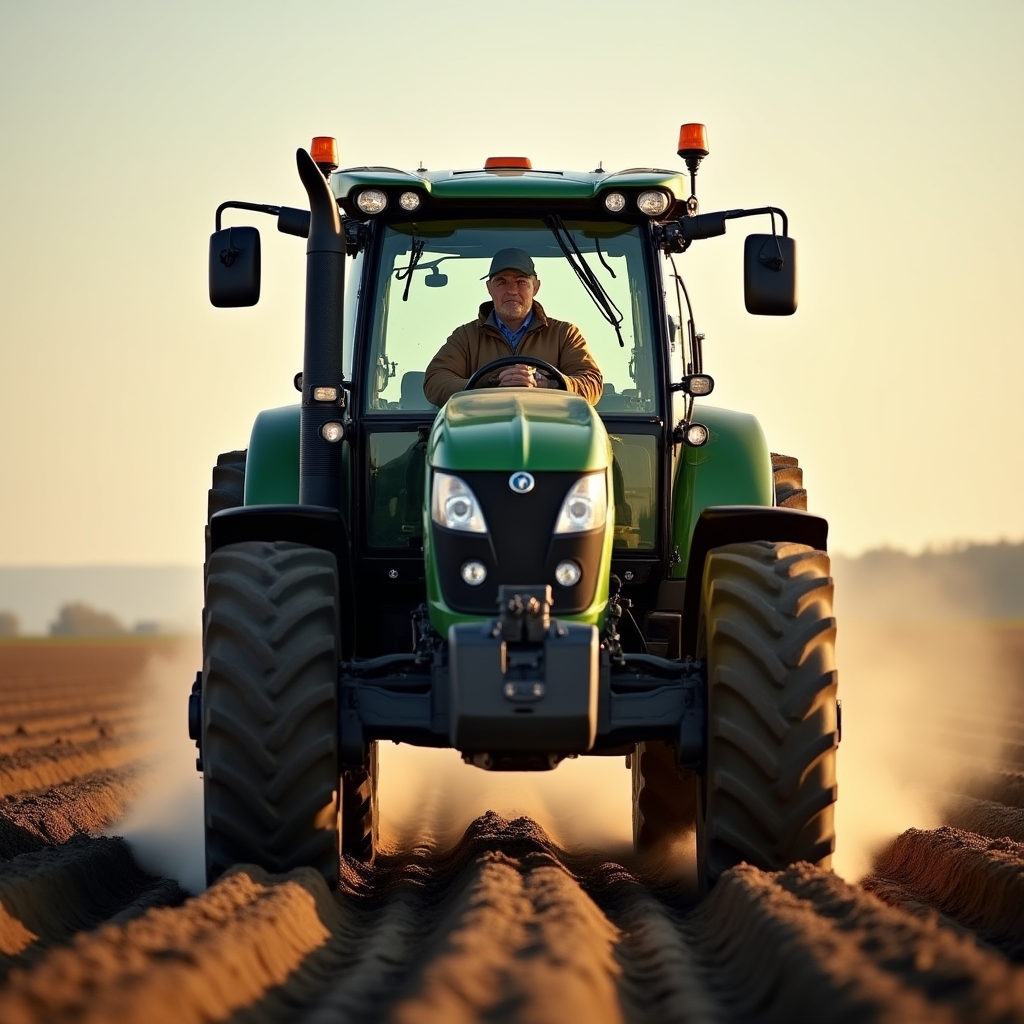
Precision farming within reach of a small farm
What GPS guidance retrofits, variable-rate basics and entry-level automation actually cost and require, contrasted honestly with systems built for much larger operations.
See the related deep diveMonthly webinar series · Central European agriculture
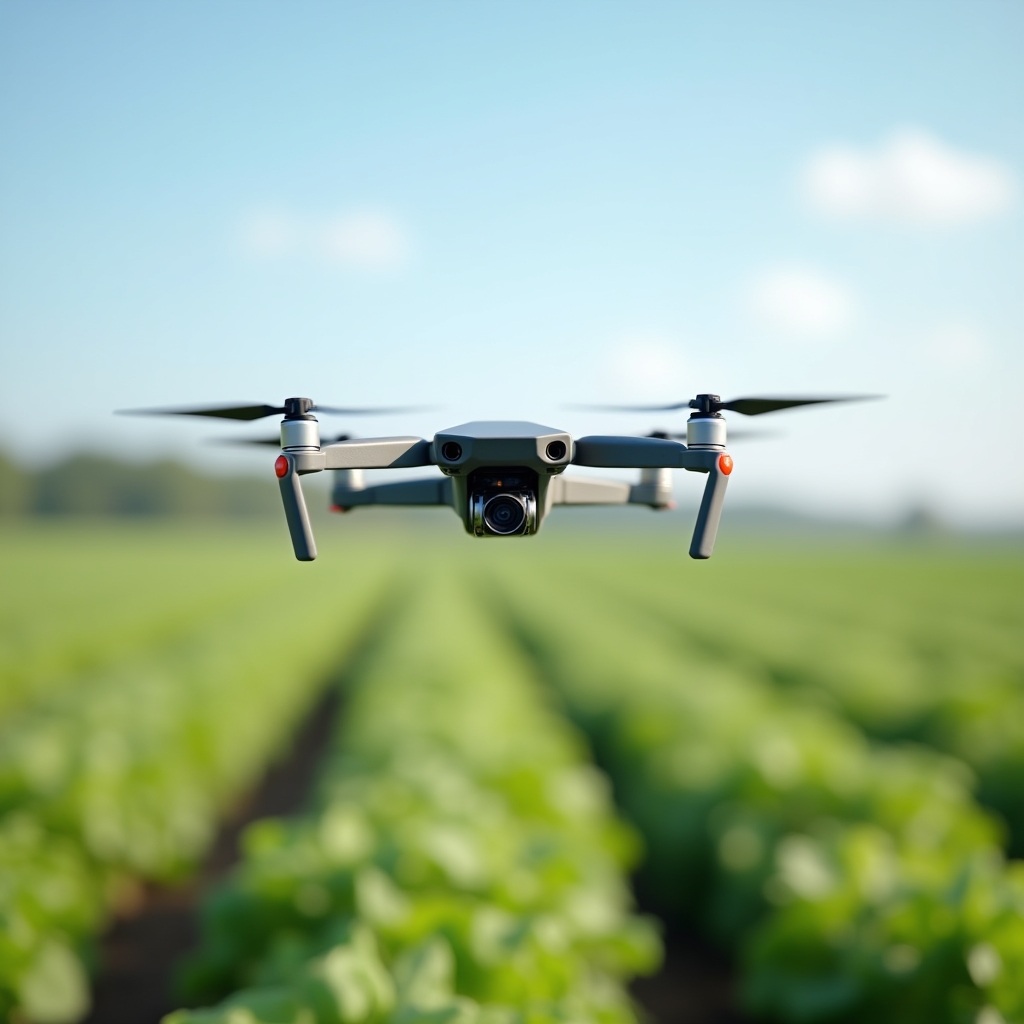
Once a month, we walk through one corner of the agricultural technology landscape: precision farming instruments, drone imagery, soil sensors, open-source software, EU subsidy documentation. In plain language, without a sales pitch, and without assuming you already own a laptop full of jargon.
Independent of any equipment manufacturer. We teach the landscape, we do not sell into it.
Who this is built for
Operators managing under fifty hectares who want to know what is realistically worth adopting at that scale.
Growers exploring sensor-based irrigation scheduling for perennial crops on smaller, uneven plots.
People evaluating shared equipment or software on behalf of a cooperative or a small group of neighbouring farms.
Anyone studying or advising on Central European agriculture who wants a steady, current read on the technology landscape.
Five threads, revisited every year
The programme is organised around five recurring subjects. Sessions rotate through them as sensors, imagery pipelines and subsidy documentation continue to change.

What GPS guidance retrofits, variable-rate basics and entry-level automation actually cost and require, contrasted honestly with systems built for much larger operations.
See the related deep dive
How multispectral and thermal indices flag moisture stress, nutrient gaps and disease pressure days or weeks before visible wilting appears in the canopy.
See the related deep dive
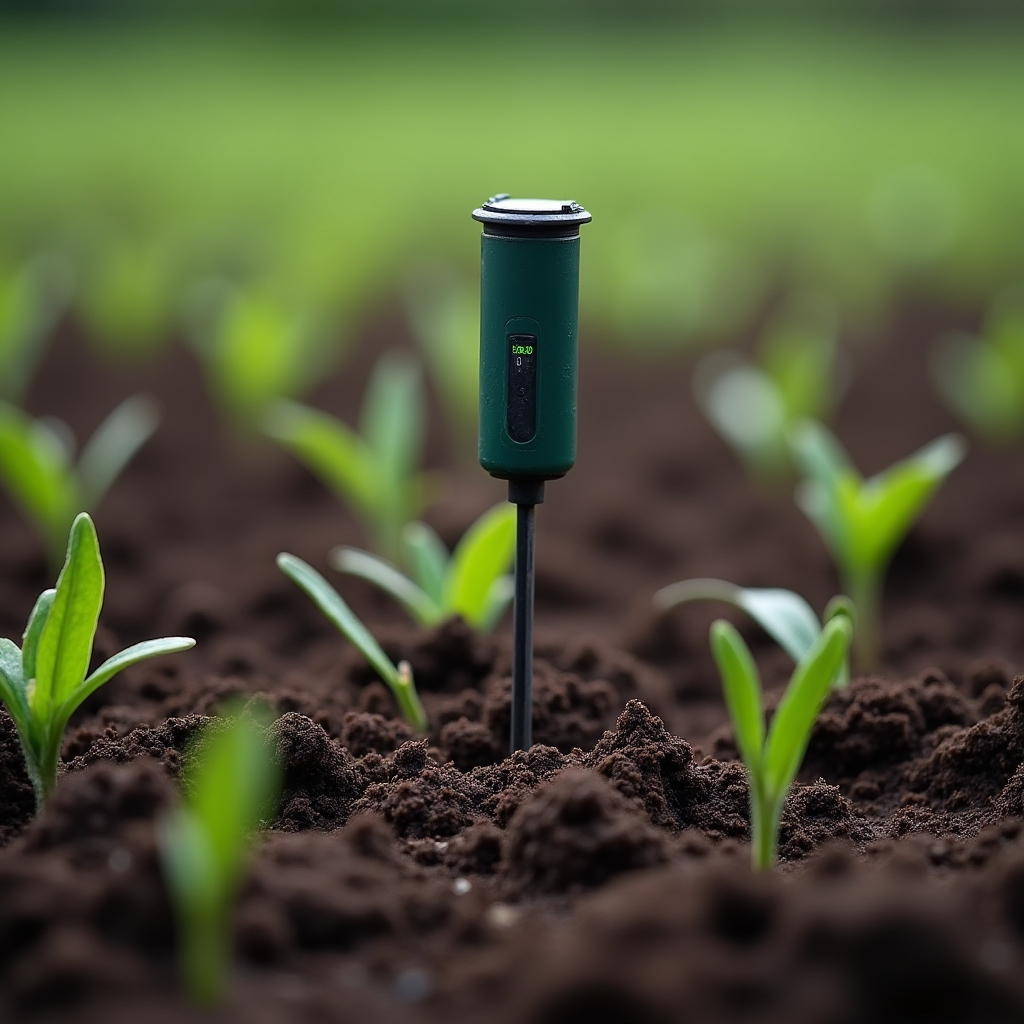
Sensor placement density, the difference between capacitance and tensiometer readings, and how those numbers translate into an actual irrigation decision.
See the related deep dive
A working framework for judging a project by its licence, its maintenance activity, its community and how easily your own data can leave it again.
See the related deep dive
How publicly documented SZIF innovation measures are structured, where eligibility criteria live, and how to read a call text without a legal background.
See the related deep diveFormat
The structure stays consistent from month to month, even as the subject changes. That consistency is deliberate; it makes each session easier to plan around.
We describe what exists on the market, from open-source platforms to sensor networks, without recommending a purchase.
You leave able to read an NDVI-style map well enough to ask a sharper question, not necessarily to process one yourself.
Sessions trace how sensor placement and reading frequency change irrigation timing on plots well under fifty hectares.
Publicly documented subsidy conditions get translated into plain language, one operational programme at a time.
A repeatable way to judge farm management tools on licensing, maintenance activity and community support.
Every session is recorded and indexed by topic, so nothing depends on being logged in at the right hour.
Time is reserved each month for questions grounded in real field conditions rather than hypothetical ones.
Presenters are not affiliated with any hardware or software vendor discussed during the session.
By design
How a session unfolds
Roughly three weeks before each session, a short description and a reading list are published on the contact page.
A sixty to seventy five minute session on one technology area, delivered by someone who works with the subject directly.
Remaining time is set aside for questions from people working actual fields, not hypothetical scenarios.
The recording, presenter notes and a short reading list arrive by email within a few days of the session.
Topic suggestions shape a good part of the schedule. If a corner of the technology landscape feels under-explained, tell us about it.